Could It Be Love?

The two following poems express different attitudes toward love. The first poem, “How do I Love Thee?,” was written in the nineteenth century and the second one, “First Person Demonstrative” was written in the twentieth century.

"How do I love thee?" by Elizabeth Barrett Browning (1806-1861)
How do I love thee? Let me count the ways.
I love thee to the depth and breadth and height
My soul can reach, when feeling out of sight
For the ends of Being and ideal Grace.
I love thee to the level of everyday's
Most quiet need, by sun and candle-light.
I love thee freely, as men strive for Right;
I love thee purely, as they turn from Praise.
I love thee with a passion put to use
In my old griefs, and with my childhood's faith.
I love thee with a love I seemed to lose
With my lost saints, --- I love thee with the breath,
Smiles, tears, of all my life! --- and, if God choose,
I shall but love thee better after death.
"First Person Demonstrative" by Phyllis Gotlieb (1926-2009)
I'd rather
heave half a brick than say
I love you, though I do
I'd rather
crawl in a hole than call you
darling, though you are
I'd rather
wrench off an arm than hug you though
it's what I long to do
I'd rather
gather a posy of poison ivy than
ask if you love me

so if my
hair doesn't stand on end it's because
I never tease it
and if my
heart isn't in my mouth it's because
it knows its place
and if I
don't take a bite of your ear it's because
gristle gripes my guts
and if you
miss the message better get new
glasses and read it twice
  1. How did you feel after reading “How Do I Love Thee?” How did you feel after reading “First Person Demonstrative”? Which poem do you like better? Why? Which do you think is the more appealing poem?
  2. Compare the thoughts and feelings of the two poets. How do the poems differ? How are they similar? Does this comparison change your feelings toward either of the poems?
Picasso: The Two Saltimbanques

Looking at Masks

Masks have been worn in many different cultures over the centuries. No matter what culture or time period it is from, the visual impact of a mask is often dramatic. Even though you might know very little about the cultural or historical significance of a mask, you can still understand a great deal about it by considering its effect on you.

  1. Brainstorm a list of masks that people wear. Consider masks worn to protect as well as masks worn to disguise. How do you feel when you encounter someone wearing a mask? Does your reaction depend on the situation? Explain your response.
  2. Brainstorm a list of movies, songs, plays, short stories, comics, and television programs featuring characters that wear masks. Why do the characters wear masks? How does the mask affect your perception of the character?
  3. Write about your own experience wearing masks. On what occasions have you worn masks? Did wearing a mask affect your actions and feelings?
African Masks: Baule Mask - This type of Baule mask is known as a Goli mask. It is used in dances during harvest festivals, in processions to honour distinguished visitors and at the funerals of important figures.
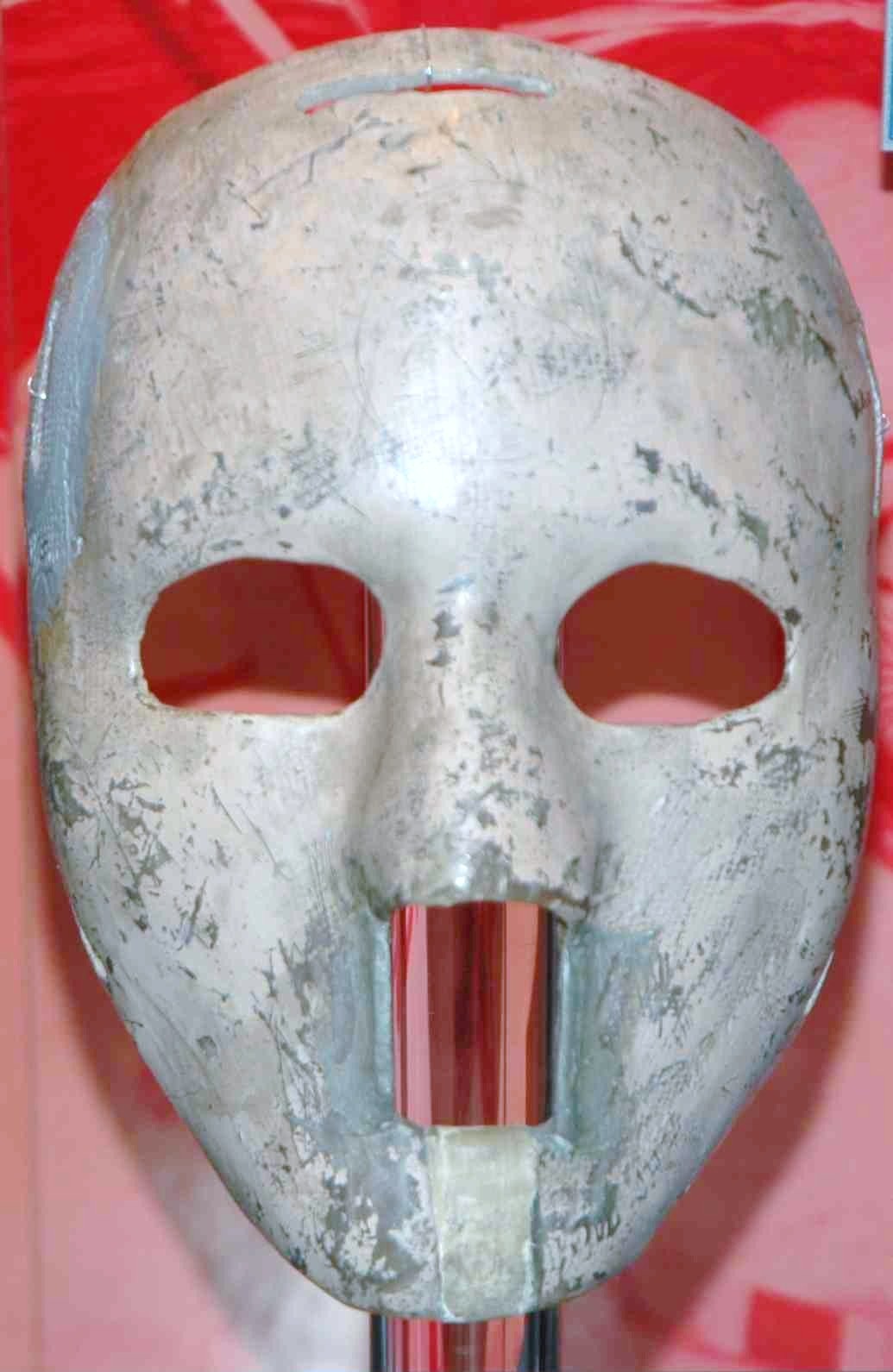
Jacque Plante's original goalie mask

Masks

Masks are intriguing because they serve some interesting purposes. When you put on a mask, you do one of many things: transform your character, hide your identity, or protect yourself. Everyone has worn a mask at some point in life. When was the last time you wore a mask? How did it feel to have a mask on in that situation?


Cultural Masks
Literary Persona
Character Masks

The concept of character masks refers to the circumstance that, in human societies, people can take on functions in which they “act out” roles, whether voluntarily chosen, by necessity, or forced. In those roles, some or all of their true characteristics and intentions may be partly or wholly masked, so that they appear different from what they truly are – “public face” and “private thoughts, interests and emotions” diverge. Also, their activity may have broader social effects that they would rather not know about, which they wish to be unknown or presented in a certain light, or which they are unaware of, and therefore the effects are mentally disconnected from their real causes.

About Technology

Write a post on one of the following topics about technology:

  • technological change in schools
  • technology both shapes and is shaped by society
  • the need for public policy that controls technological change
  • genetic engineering
  • determine a plan of action to address a technological problem that your class or school has
  • look at how a television program or modern movie treats the issue of technology
  • create a bulletin board display or electronic collage about technology and society
  • create a 3-5 minute digital recording of you reading an interesting news story about technology